Mark spent years working in waste management before making the decision to farm. Not the most obvious path to rare breed pigs — but the pull of the land was always there, and when the chance came to do it properly, on his own terms, he took it.
Owl Farm came first. A working farm shop in Cheshire, selling pasture-fed meat and produce from animals raised the slow way. That side of things still runs, and always will. But over time it became clear that the shop only told half the story. People bought the meat. They didn’t see the months and years behind it.
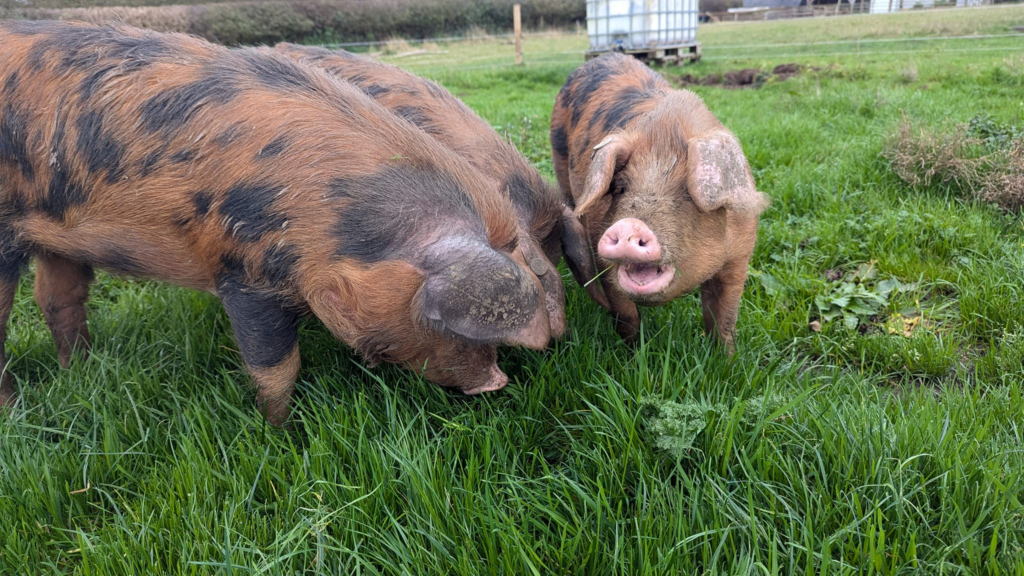
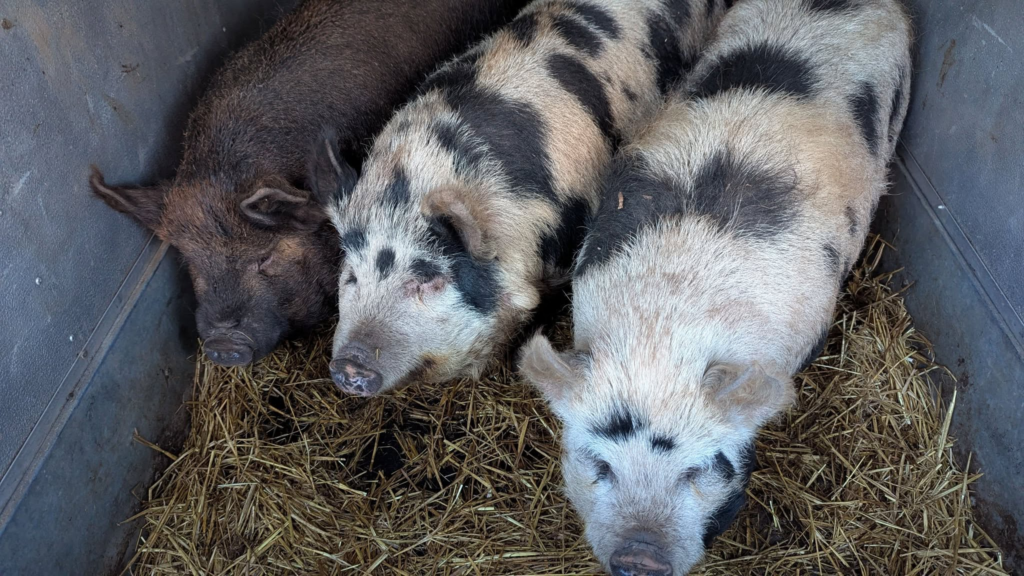
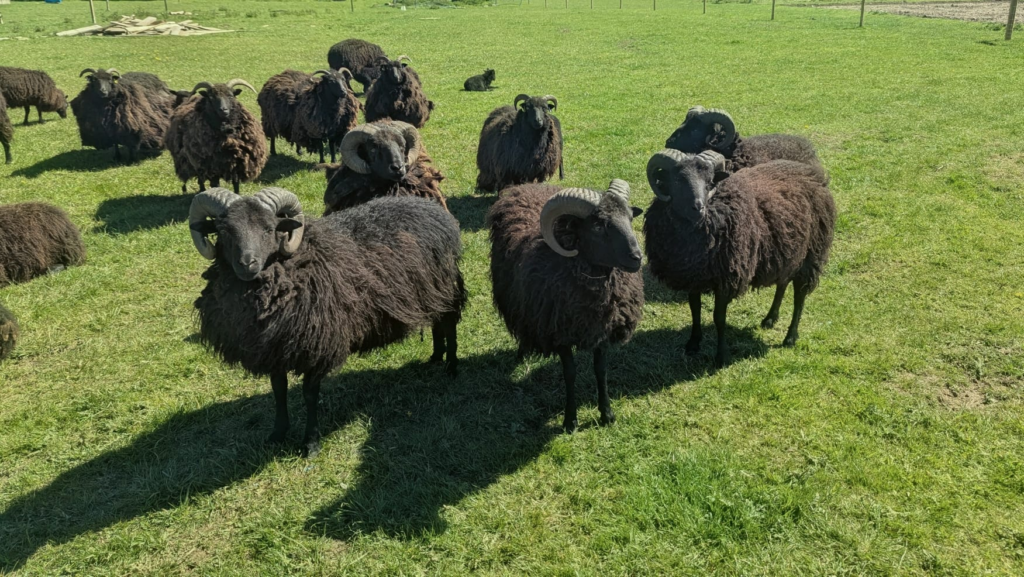
Farrow to Finish exists to show the rest. The farrowing pens at four in the morning. The decisions about which animals stay and which don’t. The mud, the weather, the vet bills, the wins. The animals we’ve chosen to raise — Large Black pigs, Oxford Sandy and Black, Kune Kune, Hebridean sheep — are all rare or heritage breeds. Slower-growing, harder to find, worth the work. Each one carries a piece of farming history that nearly disappeared in the rush to make meat cheap.
We’re not the only people farming this way. But not many are willing to open the gates and show you all of it — the good days, the long ones, and the parts most farms don’t talk about. That’s what this site is for.